When Is a Property Owner Responsible for Injuries in New Jersey?
A Guide From a Monmouth County Personal Injury Attorney: Law Offices of Michael S. Williams, LLC.
Slip and fall accidents and other injuries caused by dangerous property conditions occur frequently throughout New Jersey. These incidents commonly occur in parking lots, sidewalks apartment complexes, retail stores, and office buildings.
When unsafe conditions cause injury, the law may hold property owners responsible under premises liability law.
For residents of Monmouth County, understanding when a property owner can be held liable is essential when pursuing compensation for medical bills, lost wages, and pain and suffering.
What Is Premise Liability?
Premises liability refers to the legal responsibility property owners have to maintain reasonably safe conditions for people who enter their property.
Common hazards that may lead to injury claims include:
- Wet or slippery floors
- Broken steps or railings
- Uneven sidewalks or pavement
- Poor lighting in stairwells or parking lets
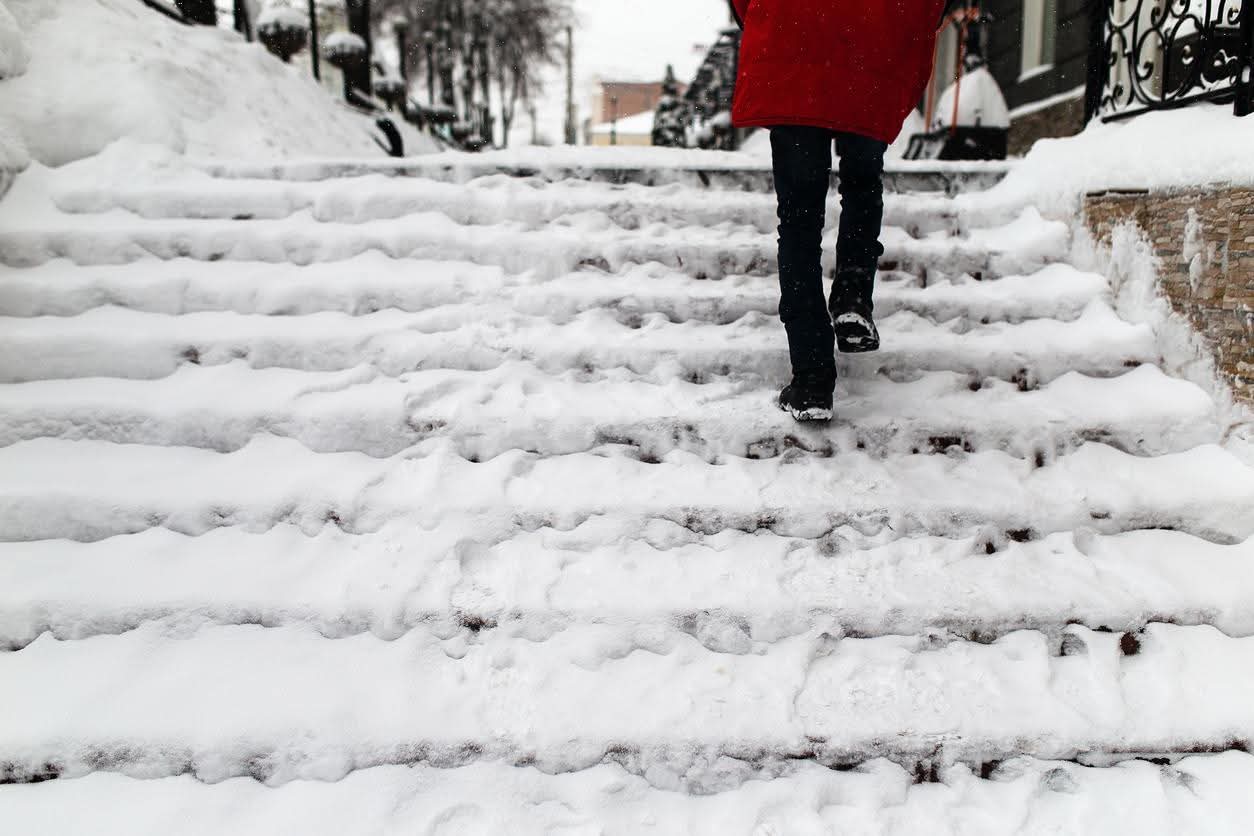
- Snow and ice accumulation
- Falling objects or debris
Businesses, landlords, homeowners, and property managers may all be responsible for maintain safe premises.
The Legal Duty of Property Owners in New Jersey
New Jersey courts determine whether a property owner owes a duty of care by balancing several factors.
The leading case addressing this issue is Hopkins v. Fox & Lazo Realtors, where the court explained that determining whether a duty exists depends on:
- The foreseeability of the risk
- The relationship between the parties
- Public policy considerations
- The burden of preventing harm
This flexible approach allows courts to determine whether holding a property owner responsible is fair under the circumstances.
The Status of the Injured Person Matters
A critical factor in premise liability cases is the legal state of the injured person when they entered the property.
New Jersey generally recognizes three categories.
Business Invitees
A business invitee is someone who enters property for a purpose connected with the owner’s business.
Examples include:
- Customers at retail stores
- Patients at medical offices
- Delivery drivers
- Restaurant patrons
Business invitees are owned the highest duty of care. Property owners must:
- Conduct reasonable inspections of the property
- Discover dangerous conditions
- Repair hazards promptly
- Warn visitors about known dangers
Many slip-and-fall cases arise in this context.
Social Guess (Licenses)
A social guest enters property with permission but not for business purposes.
Examples include:
- Guess visiting someone’s home
- Friends attending a gathering
Property owners must warn social guests about known dangerous conditions that are not obvious, but they typically do not have the same duty to inspect the property as business do.
Trespassers
A trespasser is someone who enters property without permission.
In general, property owners owe trespassers only a limited duty—primarily to avoid intentional or reckless conduct that could cause harm.
However, expectations may apply in certain situations, such as when children are involved.
Snow and Ice Liability in New Jersey
Winter weather creates hazardous walking conditions in New Jersey. Snow and ice can accumulate on sidewalks, parking lots, and building entrances, increases the risk of serious injuries.
The New Jersey Supreme Court addressed this issue in Stewart v. 104 Wallace Street, Inc. holding that commercial property owners have a duty to maintain sidewalks adjacent to their property, including clearing snow and ice within a reasonable time.
This decision made many businesses responsible for sidewalk conditions that cause injuries.
The Ongoing Storm Rule
An important limitation on snow-and-ice liability is known as the Ongoing Storm Rule.
Under this doctrine, commercial property owners general do not have a duty to remove snow or ice while the storm is activity occurring.
Instead, the property owner is given a reasonable amount of time after the storm ends to clear hazardous accumulations.
The New Jersey Supreme Court formally adopted this rule in Pareja v. Princeton International Properties.
The court recognized that requiring property owners to constantly remove snow and ice during an active storm would be unrealistic and potentially unsafe.
Exceptions to the Ongoing Storm Rule
Even when a storm is ongoing, property owners may still face liability in certain situations.
Examples include:
Creating the Dangerous Condition
If the property owner’s snow removal efforts create a more hazardous condition, liability may still arise.
Example:
Snow being piled in areas where melting and refreezing create ice.
Pre-Existing Dangerous Conditions
If ice or hazards existed before the storm began, the owner may still be responsible.
Negligent Snow Removal
If snow removal efforts are performed carelessly and create dangerous conditions, liability may still apply.
Black Ice Accidents in New Jersey
One of the most dangerous winter hazards is black ice, a thin and nearly invisible layer of ice that forms on pavement.
Black ice commonly develops when:
- Melted snow refreezes overnight
- Water drains across sidewalks or parking lots
- Temperatures suddenly drop after precipitation
Because black ice is different to see, it frequently causes serious slip-and-fall accidents.
Property owners may be liable for black ice injuries when:
- They fail to salt or treat surfaces after a storm
- Drainage issues repeatedly cause freezing
- Snow removal creates melting and refreezing hazards
Courts often examine whether the owner knew or should have known about recurring icy conditions.
Proving a Premises Liability Case
To recover compensation, an injured person generally must prove several elements
A Dangerous Condition Existed
Examples include ice, snow, broken stairs, or slippery floors
The Owner Had Notice
The injured person must show the property owner had actual or constructive notice of the hazards.
The New Jersey Supreme Court discussed this issues in Nisivoccia v Glass Gardens, Inc., which involved a supermarket slip-and-fall. The court allowed the claim to proceed under the mode-of-operation rule, recognizing that certain business practices create foreseeable hazards.
The Owner Failed to Fix the Condition
If the owner failed to repair the hazard or warn visitors, negligence may exist.
Hazard Caused the Injury
The dangerous condition must directly cause the accident and resulting injuries.
Comparative Negligence in New Jersey
New Jersey follows a modified comparative negligence rule.
If an injured person is partially responsible for the accident, their damages are reduced by their percentage of fault. However, if the injured party is found more than 50% responsible, they cannot recover damages.
What To Do After a Slip and Fall Accident
If you are injured on someone else’s property, taking the right steps can help protect your health and your legal claim.
Important steps include:
- Seek medical attention immediately
- Report the incident to the property owner or manager
- Take photographs of the hazard
- Gather witness information
- Preserve clothing and footwear worn during the accident
Evidence such as surveillance footage and maintenance records can play a crucial role in determining liability.
Injured on Unsafe Property in Monmouth County?
If you were injured because of unsafe property conditions in Monmouth County, you may have the right to pursue compensation.
Premises liability cases often involve complex legal issues, including weather conditions, inspection duties, and the status of the injured person.
An experienced personal injury attorney can investigate the accident, identify responsible parties, and pursue compensation for medical expenses, lost wages, and pain and suffering.
Contact the Law Offices of Michael S. Williams. An experienced New Jersey personal injury attorney will review your case, explain your rights, and fight to recover the compensation you deserve. You pay nothing unless we win. If you have been injured in a slip and fall or any other way on another’s property, speak with our experienced New Jersey car accident lawyers at 732-351-2800 or contact us online. With offices conveniently located in Tinton Falls and New Brunswick, New Jersey we serve clients in Monmouth and Middlesex County and throughout the state.
Practice Areas
Personal Injury
Car Accidents
Slip and Falls
Workers’ Compensation
Estate Planning
Corporate, Contracts & Business Development
Legal Disclaimer
This blog is provided by the Law Offices of Michael S. Williams for informational purposes only and does not constitute legal advice. Reading this article does not create an attorney-client relationship. Every personal injury case is unique, and outcomes depend on the specific facts and applicable law. You should not act or refrain from acting based on the information contained in this blog without first consulting a qualified attorney licensed in New Jersey.